
What Happens When a Commercial Truck Breaks Down on the Job
When a commercial truck breaks down, truck towing services follow a clear step-by-step process to secure the scene, assess the damage, recover the vehicle, and transport it safely. The goal is to protect the driver, prevent traffic problems, and reduce downtime for the business. From heavy-duty wreckers to roadside repairs, each step is planned to handle large vehicles and heavy loads safely.
What Happens First at the Scene
The first priority is safety. A disabled box truck or semi can block lanes and create risk for other drivers. When truck towing services arrive, they position their tow truck to shield the broken-down vehicle. They turn on warning lights and may set up cones or flares.
The operator then speaks with the driver. They ask simple but important questions:
- What happened before the truck stopped?
- Is there any fluid leaking?
- Is the cargo stable and secure?
- Are there injuries?
This quick check helps the operator decide the safest recovery method.
What Equipment Is Used for Commercial Breakdowns
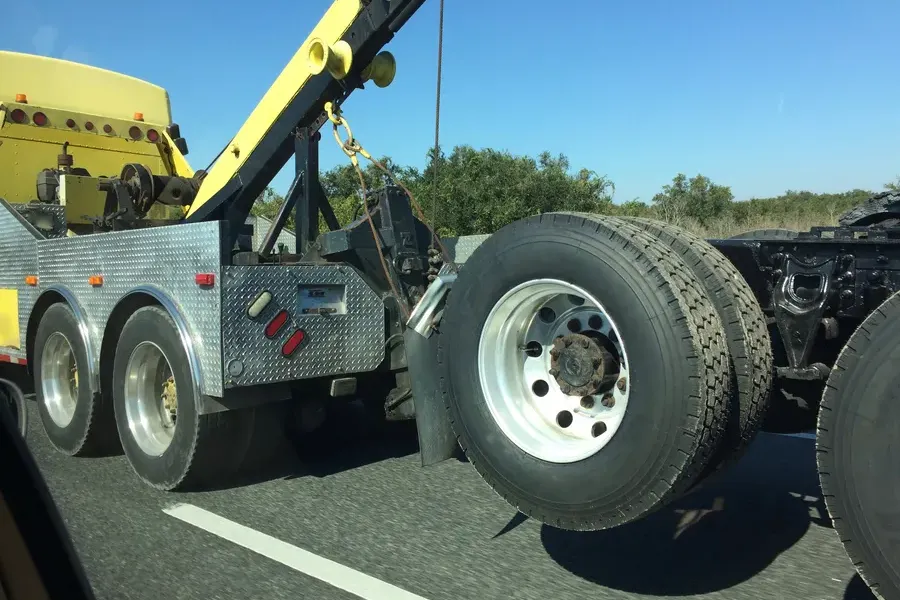
Commercial trucks are much heavier than regular cars. They need special equipment. Most truck towing services use heavy-duty wreckers built to lift and pull large vehicles.
Common equipment includes:
- Heavy-duty tow trucks with strong hydraulic booms
- Wheel lifts and underlifts for large axles
- Air cushion recovery systems for rollovers
- Winches and recovery straps rated for heavy loads
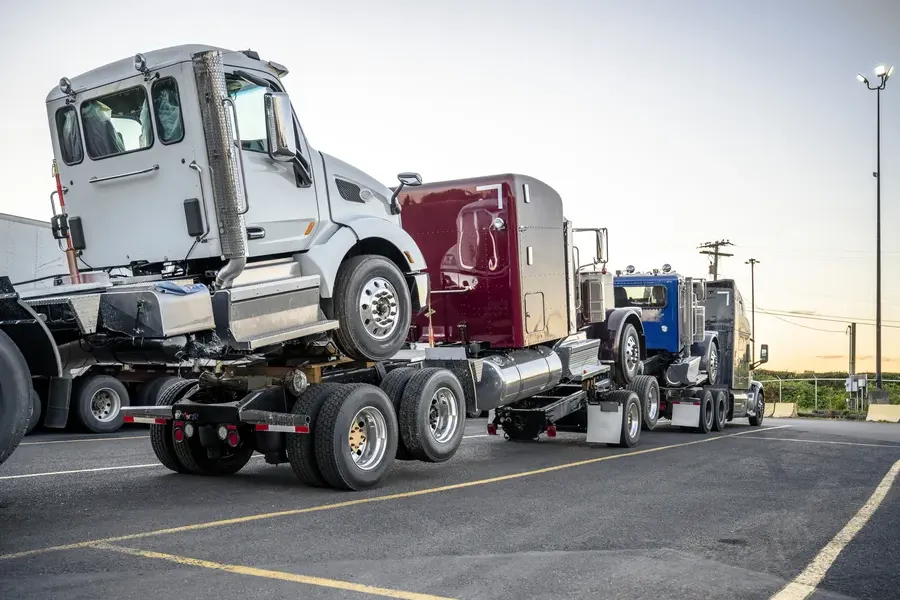
This equipment allows the operator to tow semis, dump trucks, delivery vans, and even buses without causing more damage.
Step-by-Step Process for Handling a Breakdown
Each situation is different, but the general process often looks like this:
- Secure the area. Protect traffic and make the scene safe.
- Inspect the truck. Check tires, axles, brakes, and driveline damage.
- Choose the right tow method. Decide between heavy-duty towing, winching, or on-site repair.
- Stabilize the load. Make sure cargo will not shift during transport.
- Lift and connect. Attach the underlift or boom correctly.
- Transport the vehicle. Move it to a repair shop, yard, or requested location.
If the issue is simple, such as a dead battery or minor air line problem, the operator may perform roadside assistance instead of a full tow.
Common Mistakes That Can Make Things Worse
Drivers sometimes try to fix the problem themselves. That can create bigger issues.
Here are mistakes to avoid:
- Trying to move the truck with damaged axles
- Ignoring warning lights before total failure
- Using light-duty towing for heavy trucks
- Failing to secure cargo after a shift
Improper towing can damage the frame, transmission, or suspension. That leads to higher repair costs and longer downtime.
Special Situations Truck Towing Services Handle
Not every breakdown happens on a highway shoulder. Some occur in tight loading docks, construction sites, or muddy fields.
In these cases, truck towing services may need:
- Multiple tow trucks working together
- Rotators for heavy lifting at sharp angles
- Winching services to pull vehicles from ditches
- Traffic control coordination with local authorities
Weather can also play a role. Rain, snow, and ice make heavy recoveries more complex. Operators adjust their approach to keep the truck stable during lifting and transport.
When to Call a Professional Towing Company
If your truck loses power, overheats, blows a tire at highway speed, or suffers brake failure, it is time to call professionals. Commercial vehicles are heavy and can be dangerous if moved the wrong way.
You should also call for help when:
- The truck will not start after several attempts
- There is visible structural or suspension damage
- Air brake pressure will not build
- The truck has jackknifed or rolled over
Heavy-duty towing requires trained operators who know how weight distribution works. They also know how to follow safety rules that apply to commercial vehicles.
Why Fast Response Matters for Businesses
Every hour a commercial truck sits idle costs money. Delayed deliveries can upset customers and affect contracts. Fast, skilled response limits lost time.
Professional truck towing services focus on getting your vehicle moved quickly while protecting the cargo and equipment. A smooth recovery keeps your business running and reduces stress for drivers.
Get Help When Your Fleet Needs It
If you manage trucks in Denver, CO and face an unexpected breakdown, I can help you move your vehicle safely and quickly. At Happy Towing LLC, I handle heavy-duty recoveries, roadside assistance, and complex commercial towing with the right equipment and experience. Call me at (720) 508-9720 and I will respond as soon as possible to get your truck back on track.