
Fast Roadside Help Keeps Stranded Drivers Safe and Moving
Truck towing services support roadside emergencies by getting disabled vehicles off the road quickly and safely. When a truck breaks down, is in a crash, or will not start, a towing team brings the right equipment to move it without causing more damage. This helps protect the driver, other motorists, and the vehicle itself. Fast action also reduces traffic backups and lowers the risk of another accident.
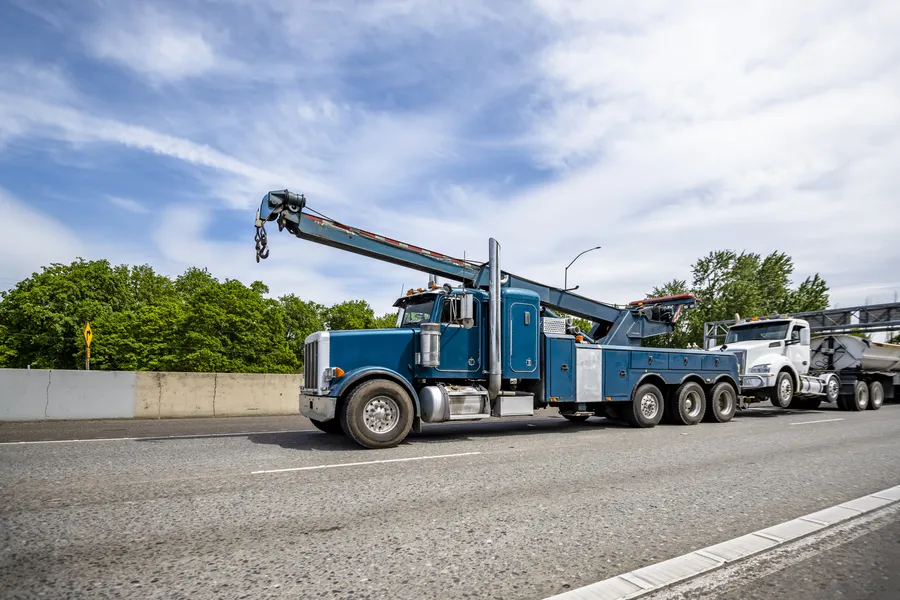
What You Need to Do Before Help Arrives
If your truck breaks down, your safety comes first. Before truck towing services reach you, take a few simple steps to stay safe and make the process smoother.
- Turn on your hazard lights right away.
- Move your truck to the shoulder if possible.
- Set up reflective triangles if you have them.
- Stay inside the vehicle if traffic is heavy.
- Have your location details ready for the dispatcher.
Clear details help the towing team choose the right truck and tools. A heavy-duty pickup needs different equipment than a loaded box truck. Sharing this information saves time.
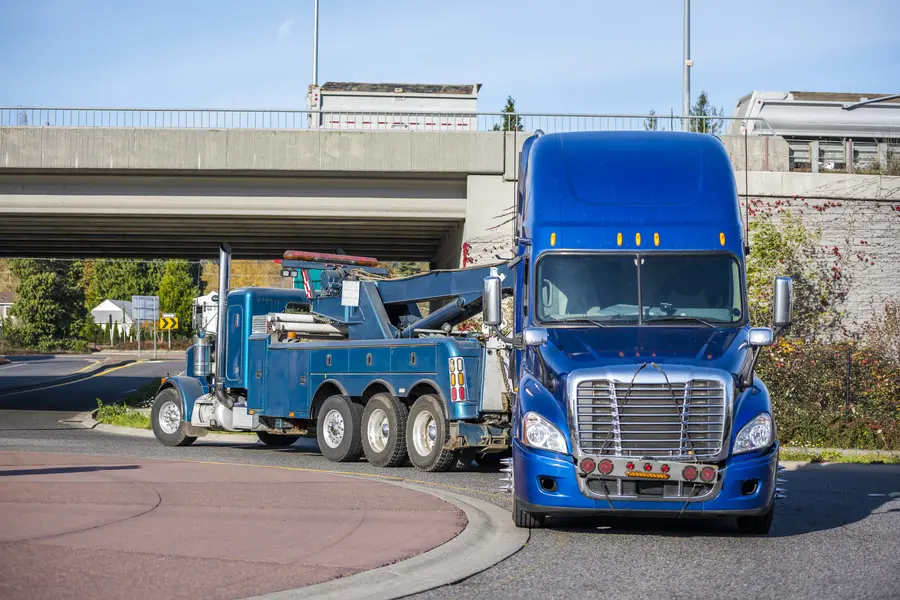
How the Towing Process Works Step by Step
Many drivers are not sure what happens after they call for help. Here is a simple look at how truck towing services handle a roadside emergency.
- Dispatch and assessment: The dispatcher gathers details about your truck and location.
- Arrival and safety check: The tow operator inspects the scene and controls traffic risks.
- Vehicle inspection: The operator checks for damage and decides on the safest towing method.
- Hookup: The truck is secured using chains, straps, or a wheel lift.
- Transport: The vehicle is taken to a repair shop, yard, or other safe location.
Some trucks need a flatbed. Others may require a heavy-duty wrecker with extra lifting power. The goal is always the same: move the truck without adding stress to the frame, suspension, or drivetrain.
Common Mistakes Drivers Make During Emergencies
Small mistakes can make a bad situation worse. Knowing what to avoid can keep you safer.
- Standing too close to traffic lanes.
- Trying to fix major problems on a busy highway.
- Using the wrong vehicle to tow a heavy truck.
- Failing to describe the issue clearly when calling.
One common error is asking a friend with a light-duty pickup to tow a larger truck. This can damage both vehicles and create a serious hazard. Professional truck towing services use proper equipment made for heavy loads.
How Towing Helps in Different Emergency Situations
Roadside emergencies come in many forms. Towing support looks different depending on the problem.
Breakdowns: Engine failure, transmission trouble, or overheating can stop a truck fast. A tow prevents further engine damage and gets the vehicle to a shop.
Flat tires: If the truck carries heavy cargo, changing a tire on the roadside can be unsafe. Towing to a secure area is often the better choice.
Accidents: After a crash, trucks may not steer or brake properly. Towing removes the vehicle from traffic and clears the road.
Stuck vehicles: Mud, snow, or ditches can trap trucks. Recovery and towing equipment can pull them out without harming the undercarriage.
When It Is Time to Call a Professional
Call for truck towing services when:
- The truck will not start after basic checks.
- You see smoke or leaking fluids.
- The steering or brakes feel unsafe.
- The vehicle is stuck or damaged.
- You feel unsafe waiting on the roadside.
If you drive a commercial vehicle, quick towing can also protect your load and reduce delivery delays. For business owners, time off the road often means lost income. Fast roadside help limits that downtime.
Even smaller towing issues fall under the larger field of roadside assistance and recovery work. Trained operators handle both light-duty and heavy-duty calls with the same focus on safety.
Final Recommendation and Next Steps
If you ever face a breakdown in Denver, CO, I am ready to help through Happy Towing LLC. I handle every call with care and bring the right equipment for the job. Whether it is a work truck, pickup, or larger vehicle, my goal is to move it safely and get you back on track fast. Call me at (720) 508-9720 any time you need dependable roadside support.