
How Long-Distance Bike Transport Works From Pickup to Delivery
The process of motorcycle towing for long-distance transport involves careful loading, secure tie-down, safe hauling, and proper unloading at the final stop. The goal is to move your bike hundreds of miles without damage. This usually means using a flatbed truck or a special trailer built for motorcycles. Each step matters, from the first inspection to the final handoff.
What You Need Before Starting
Before scheduling motorcycle towing, gather a few key items and details. This helps the job go smoothly and avoids delays.
- The bike’s make, model, and weight
- Pickup and drop-off addresses
- Preferred dates and time windows
- Any known damage or mechanical issues
- Keys for steering and ignition access
If the motorcycle does not run, let the towing company know. Non-running bikes may need a winch to load them safely. Clear communication helps the driver bring the right equipment.
Step-by-Step Process for Long-Distance Transport
Here is how motorcycle towing works for long trips:
- Initial inspection. The driver checks the bike for scratches, dents, or leaks. Photos may be taken for records.
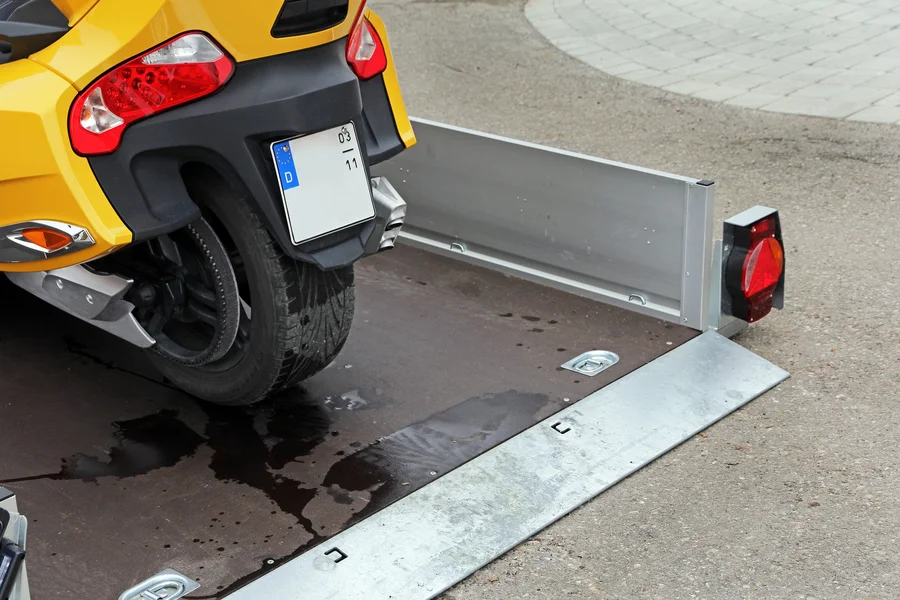
- Positioning the bike. The motorcycle is lined up with a ramp or lift gate.
- Loading. The bike is walked or winched onto a flatbed or trailer.
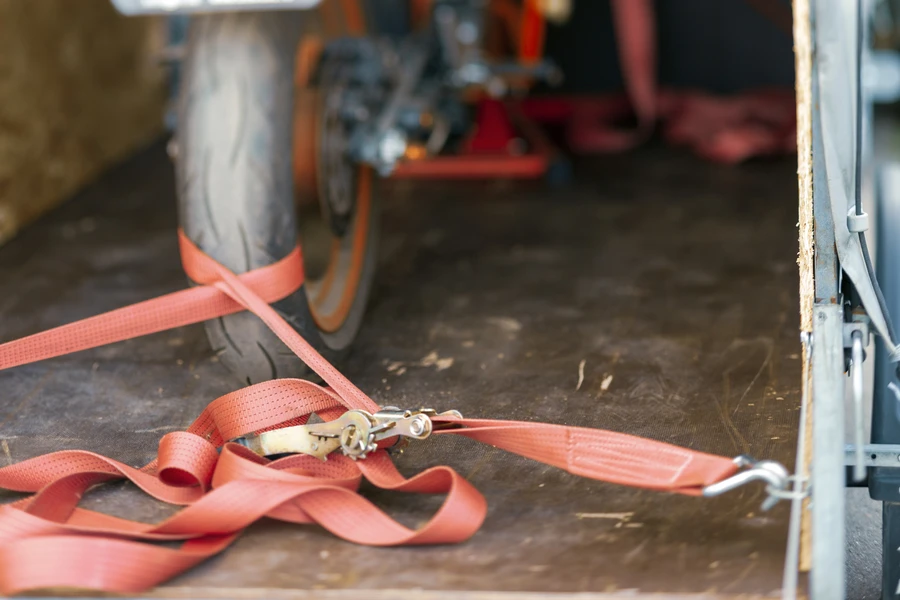
- Securing. Soft straps are placed around solid frame points. The front wheel is often chocked to stop movement.
- Tension check. Straps are tightened but not over-cranked. Suspension should compress slightly.
- In-transit checks. On long drives, the driver stops to recheck strap tension.
- Unloading at delivery. Straps are removed carefully, and the bike is rolled down slowly.
This method keeps the motorcycle steady during highway speeds, rough pavement, and sudden stops. A quality service avoids chains or metal hooks that can scratch paint.
Common Mistakes to Avoid
Many problems during long-distance motorcycle towing happen because of simple mistakes.
- Using regular tie-down ropes instead of rated straps
- Strapping to handlebars instead of the frame
- Failing to check tire pressure before transport
- Leaving loose items in saddlebags
- Not confirming insurance coverage
For example, strapping too tightly can damage fork seals. Strapping too loosely lets the bike tip. Balance is key. That is why trained operators follow a clear process every time.
When to Call a Professional
Some riders try to tow their own bikes using a rented trailer. That can work for short trips. For cross-state or cross-country moves, professional help is often the safer choice.
You should consider expert motorcycle towing if:
- The trip is over 100 miles
- You do not have proper tie-down straps
- Your motorcycle is high-value or custom-built
- The bike does not run
- You are moving or buying a bike from another city
A trained towing provider also understands basic roadside assistance and emergency handling. If weather turns bad or traffic slows down, they know how to adjust driving and secure checks during the trip.
Final Recommendation and Next Steps
Long-distance motorcycle towing does not have to be stressful. The right equipment, clear planning, and careful securement make all the difference. I provide motorcycle towing services in Denver, CO and treat every bike like my own. At Happy Towing LLC, I handle each step from safe loading to final delivery with care and attention. If you need help moving your motorcycle, call me at (720) 508-9720 and I will walk you through the process and schedule a time that works for you.